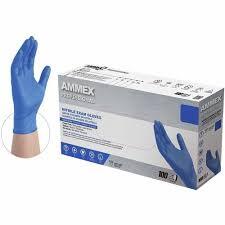
Reliable glove supplies play an essential role in maintaining safety and hygiene across healthcare facilities. Medical professionals regularly handle patients, medical equipment, and materials that may carry infectious contaminants. Having suitable gloves available helps reduce direct contact with potentially harmful substances and supports consistent infection prevention practices. When healthcare facilities maintain dependable supplies, staff can focus on patient care without unnecessary interruptions caused by shortages or poor product quality.
Why Reliable Glove Supplies Matter in Healthcare
Healthcare professionals use medical gloves during examinations, wound care, sample collection, and various clinical procedures. Reliable glove supplies help ensure that staff have appropriate protective equipment whenever a task requires it. A consistent supply also reduces the risk of delaying routine procedures because essential items are unavailable.
Gloves serve as an important barrier against direct contact with blood, bodily fluids, and contaminated surfaces. However, they work best when healthcare workers combine their use with proper hand hygiene and established infection prevention procedures. Following recognized glovesupply.us practices helps facilities maintain safer environments for patients, employees, and visitors.
Reliable Glove Supplies and Medical Glove Quality
The material of a medical glove affects its comfort, flexibility, durability, and suitability for different clinical tasks. Nitrile gloves are popular because they offer good resistance to punctures and provide an alternative for people with latex allergies. Latex gloves can offer excellent flexibility and tactile sensitivity, although facilities must consider the risk of allergic reactions. Vinyl gloves may suit certain low-risk activities, but they may not provide the same durability as other materials.
Healthcare facilities should select gloves according to the intended procedure, relevant safety requirements, and manufacturer recommendations. Choosing products solely because they cost less can create problems if the gloves do not meet the demands of the task. A careful purchasing process helps balance product quality, staff comfort, and budget considerations.
Quality and Consistent Supply Management
Glove quality matters because damaged or unsuitable products may compromise their protective function. Healthcare purchasing teams should review product specifications, packaging integrity, sizing options, and applicable regulatory requirements before placing orders. Working with dependable suppliers can also help facilities maintain consistent product availability and quality standards.
Inventory management is equally important. Monitoring usage patterns, checking stock levels, and establishing appropriate reorder points can help prevent unexpected shortages. Facilities with reliable supply arrangements can respond more effectively to changes in patient volume and daily clinical demands.
Comfort and Fit for Daily Clinical Work
Healthcare professionals may wear gloves repeatedly throughout their shifts, making comfort and fit important considerations. Gloves that fit properly support movement and allow staff to handle instruments and medical equipment with greater control. Poorly fitting gloves may interfere with dexterity, while unsuitable materials can contribute to discomfort during extended tasks.
Facilities should provide suitable sizes and consider staff feedback when reviewing glove products. They should also make sure employees understand when to change gloves and why single-use medical gloves must not be washed or reused.
Safe Practices for Using Medical Gloves
Even reliable glove supplies cannot replace correct handling procedures. Staff should perform hand hygiene at the appropriate times, change gloves between patients or tasks when required, and replace any glove that becomes damaged or contaminated. Used gloves should be discarded according to the facility’s waste management procedures.
Healthcare teams can consult medical glove selection guidance when reviewing product suitability and protective requirements. Clear purchasing standards, accessible stock, and proper staff training help ensure that gloves remain a practical part of everyday healthcare safety.
Recent Comments