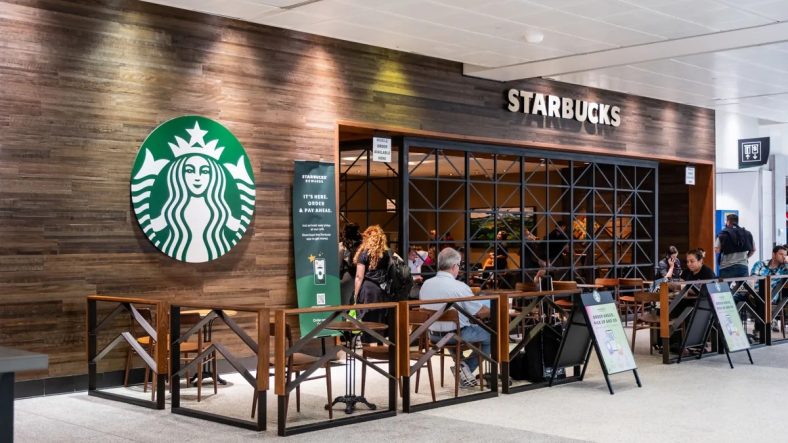
A beautiful minimalist cafe is more than just a place to enjoy coffee and delicious food. It is a carefully designed environment where simplicity, comfort, and visual harmony come together. https://www.starbucksstoredesign.com/ Minimalist cafe design has become increasingly popular because it creates attractive spaces without relying on excessive decorations or complicated furniture. By focusing on essential elements, cafe owners can develop an inviting atmosphere that feels modern, peaceful, and timeless. The right combination of neutral colors, natural materials, thoughtful lighting, and functional layouts can transform even a small commercial space into an unforgettable destination.
1. Choose a Soft and Neutral Color Palette
Color selection plays an important role in creating a beautiful minimalist cafe. Neutral shades such as white, beige, cream, light gray, and warm brown provide a clean foundation for the entire interior. These colors make a room feel brighter, more spacious, and visually balanced. Instead of introducing too many contrasting tones, consider combining two or three complementary shades throughout the furniture, walls, and decorative accessories. Warm neutral colors can also make customers feel comfortable and relaxed, creating an atmosphere that encourages them to stay longer and enjoy their experience.
2. Incorporate Natural Wood Elements
Natural wood is one of the most effective materials for creating a welcoming minimalist cafe interior. Wooden tables, chairs, shelves, and wall panels introduce warmth while maintaining a simple appearance. Light oak, pine, and natural walnut finishes work particularly well with neutral color schemes. Their organic textures add character without making the room feel visually crowded. Wood can also create a connection between modern interior design and nature. For a more cohesive appearance, choose furniture with similar finishes and avoid combining too many different wood tones in one space.
3. Maximize Natural Lighting
Natural lighting can dramatically improve the atmosphere of a minimalist cafe. Large windows, glass doors, and open architectural features allow sunlight to enter the interior, making the space feel fresh and inviting. Bright natural light also highlights the textures of wooden furniture, decorative plants, and neutral surfaces. When planning the layout, position seating areas near windows whenever possible. For spaces with limited daylight, combine warm artificial lighting with simple ceiling fixtures and subtle wall lamps. The goal is to create balanced illumination that feels comfortable throughout the day.
4. Select Simple and Functional Furniture
Minimalist cafe furniture should combine attractive design with everyday practicality. Choose tables and chairs with clean lines, balanced proportions, and uncomplicated shapes. Avoid oversized furniture that takes up unnecessary space or makes the interior feel crowded. Compact wooden chairs, slim metal frames, and simple upholstered benches are excellent choices for modern cafe environments. Furniture should also support customer comfort and allow staff members to move efficiently. A well-organized seating arrangement makes the cafe more functional while preserving the visual simplicity that defines minimalist interior design.
5. Add Greenery for a Natural Atmosphere
Indoor plants are an excellent way to bring life into a minimalist cafe. Green leaves introduce a refreshing contrast against white walls, beige furniture, and natural wooden finishes. Small potted plants can decorate dining tables, while larger indoor plants can fill empty corners without requiring complicated decorations. Popular choices include monstera, snake plants, pothos, and rubber plants. Besides improving the visual atmosphere, greenery helps create a relaxing connection with nature. However, it is important to maintain balance by selecting a few well-positioned plants instead of overcrowding the interior.
6. Create an Attractive Cafe Counter
The counter is one of the most important focal points in any cafe. It should reflect the overall minimalist concept while remaining practical for daily operations. Consider using natural stone, polished concrete, light wood, or simple textured surfaces to create an elegant appearance. Keep the countertop organized by displaying only essential equipment and carefully selected accessories. Open shelving behind the counter can provide convenient storage while adding visual interest. A thoughtfully designed counter makes ordering easier, improves workflow, and gives customers a positive first impression when entering the cafe.
7. Embrace Minimalist Wall Decorations
Wall decorations can enhance the character of a cafe without sacrificing simplicity. Instead of covering every wall with artwork, choose a small number of carefully selected decorative pieces. Abstract paintings, subtle typography, textured wall finishes, and simple framed illustrations can complement the interior beautifully. Another option is to leave some walls completely empty to create a sense of openness. This approach allows important architectural features and furniture to become more noticeable. Minimalist wall styling demonstrates that an attractive interior does not need excessive decoration to feel complete.
8. Design Comfortable and Flexible Seating Areas
A successful minimalist cafe should provide different seating arrangements for different customer needs. Some visitors prefer individual seating for reading or working, while others enjoy larger tables for conversations and social gatherings. Combining small two-person tables, shared dining tables, and comfortable window seating can create a more versatile environment. Make sure there is enough space between furniture pieces to support easy movement. Thoughtful seating arrangements improve customer comfort and help the cafe accommodate different activities without compromising its clean and organized appearance.
9. Use Thoughtful Lighting Fixtures
Although natural light is important, artificial lighting also contributes significantly to minimalist cafe design. Pendant lights, recessed ceiling fixtures, and understated wall lamps can create an attractive atmosphere after sunset. Choose fixtures with simple silhouettes and materials that complement the existing interior. Warm white lighting is particularly suitable for creating a cozy environment where customers can relax. Instead of installing too many decorative lamps, focus on strategic placement and appropriate brightness. Well-planned lighting can highlight architectural details, improve visibility, and make the entire cafe feel more sophisticated.
10. Keep the Layout Open and Clutter-Free
An open layout is essential for achieving a beautiful minimalist cafe interior. Clear walking paths, organized furniture arrangements, and sufficient storage help prevent unnecessary visual distractions. Every item should have a specific purpose, whether it supports customer comfort, daily operations, or the overall aesthetic. Hidden storage cabinets are useful for keeping cleaning supplies, packaging materials, and additional equipment out of sight. By maintaining an organized environment, cafe owners can create a professional atmosphere that looks attractive and remains easy to maintain.
Conclusion: Build a Timeless Minimalist Cafe
Beautiful minimalist cafe design combines simplicity, functionality, and natural elegance to create an enjoyable customer experience. From neutral color palettes and wooden furniture to indoor greenery, comfortable seating, and thoughtful lighting, every design element contributes to the overall atmosphere. The most successful minimalist interiors are not necessarily the most expensive or complicated. They are spaces where every detail has a clear purpose and works harmoniously with the surrounding environment. By applying these creative ideas, cafe owners can establish a distinctive identity, create memorable spaces, and build an inviting destination that customers will love to visit again.
Recent Comments